Broadcast and Other Media

BROADCAST PACKAGE

Arizona summers keep getting hotter, and cities like Phoenix can face the worst heat. MCO 502's Jason Krell has more on reasons for the rising temperatures and one way the city is fighting back.

RADIO WRAP

Phoenix's Urban Heat Island Tree and Shade Subcommittee is working to cool the city down by planting more trees, but a lack of public input may cause problems down the road.

CARING FOR THE GRID: A PHOTO STORY
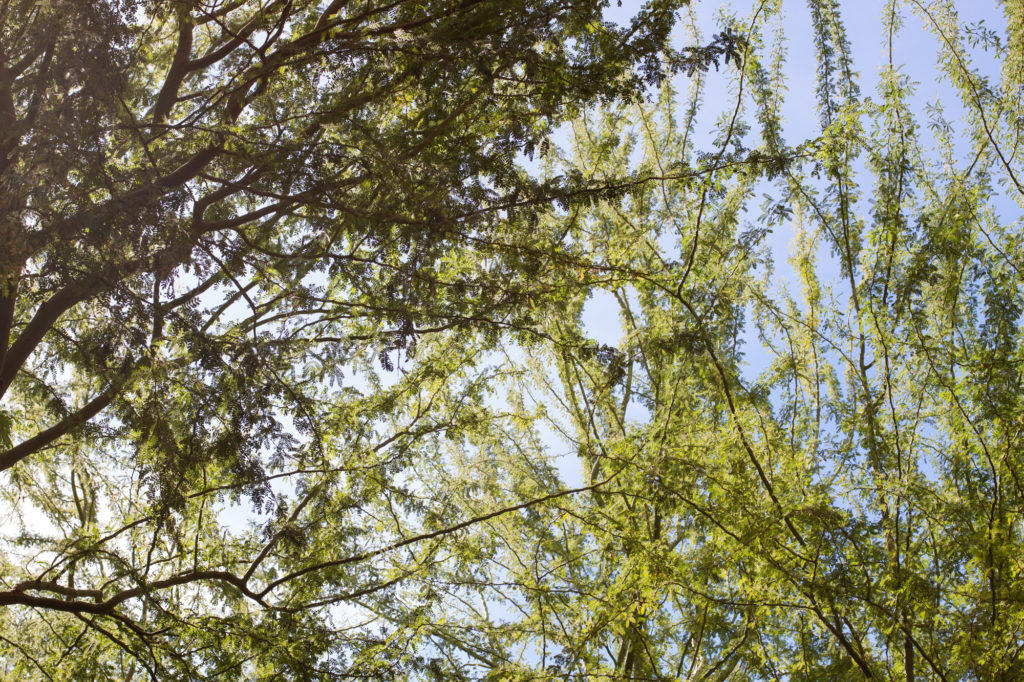
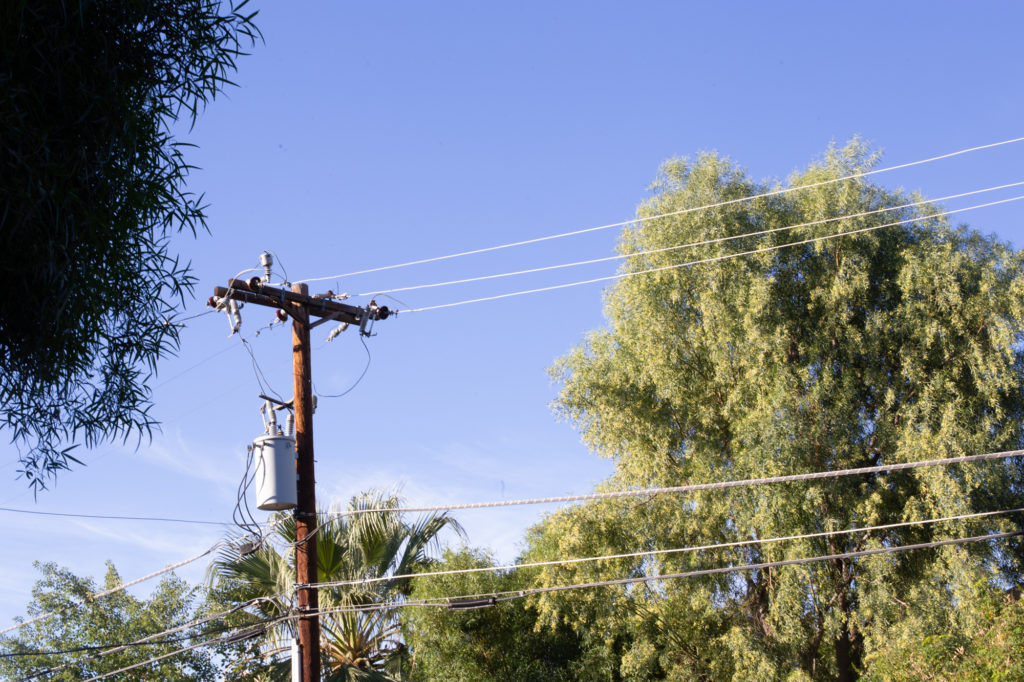
Phoenix's goal of 25 percent canopy coverage by the year 2030 is off to a slow start, but last year, the net increase of city trees was higher than in any other year since 2010. (Photo by Molly Duerig)

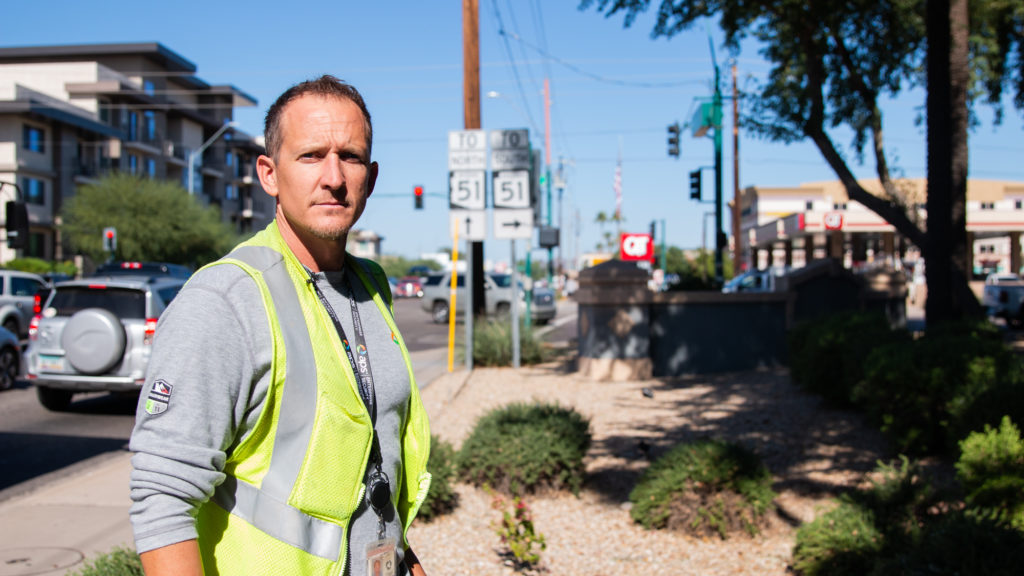
Travis Zelinskas, a pre-inspector with Arizona Public Services Electric Company, inspects trees that may interfere with power lines in the Phoenix area. He said all APS pre-inspectors are certified utility arborists. "We don't just go out and hack trees because we want to hack a tree. We actually have to utilize our best practice and make sure that we are protecting the trees along with protecting the grid," he said. (Photo by Molly Duerig)

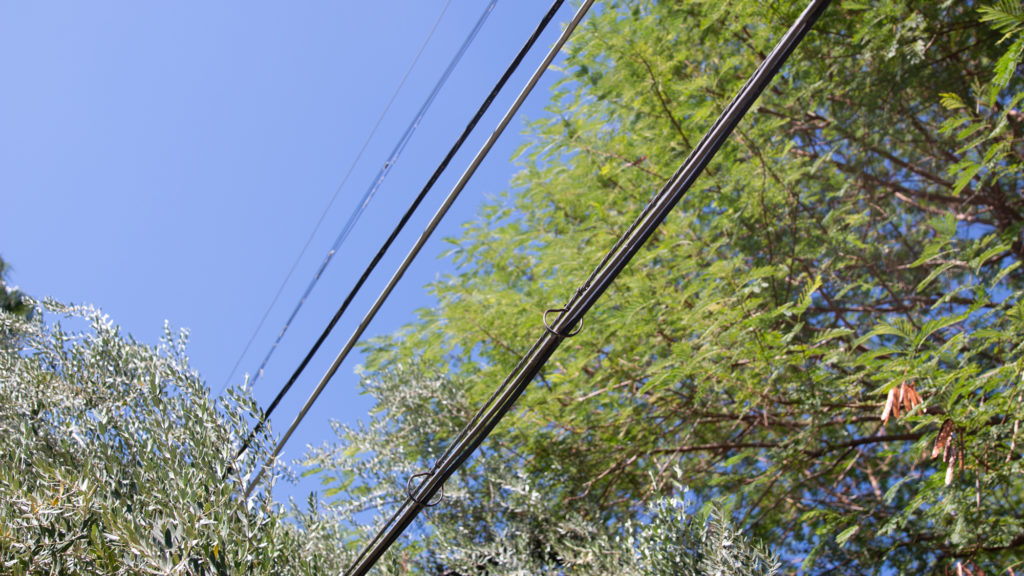
Trees creep close to a power line on a private home property in Camelback East Village. According to APS pre-inspector Travis Zelinskas, species of trees that are "low-growing and slow-growing" are the best to plant in highly populated areas. (Photo by Molly Duerig)

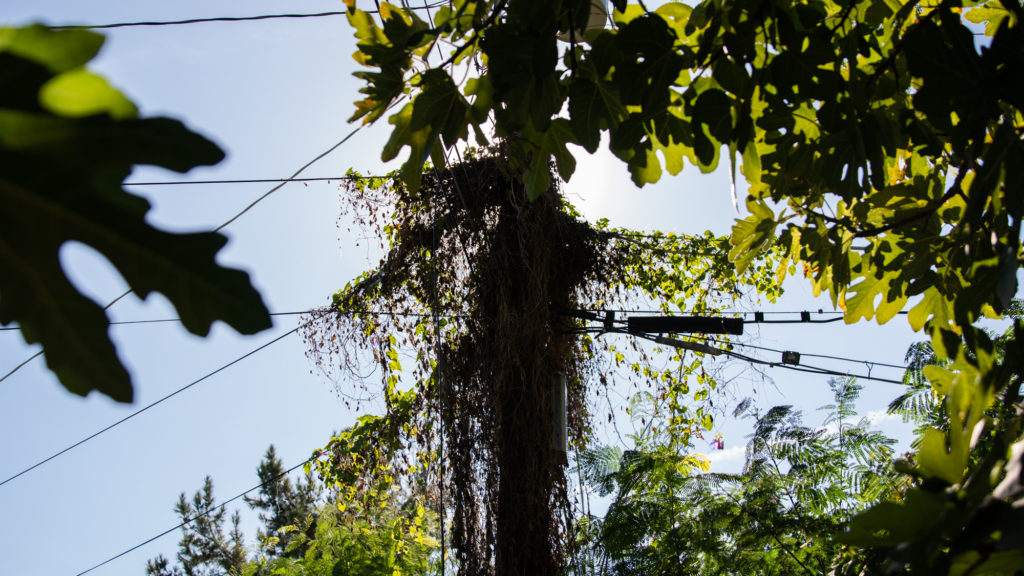
Vines grow on a power line on a private home property in Camelback East Village. (Photo by Molly Duerig)

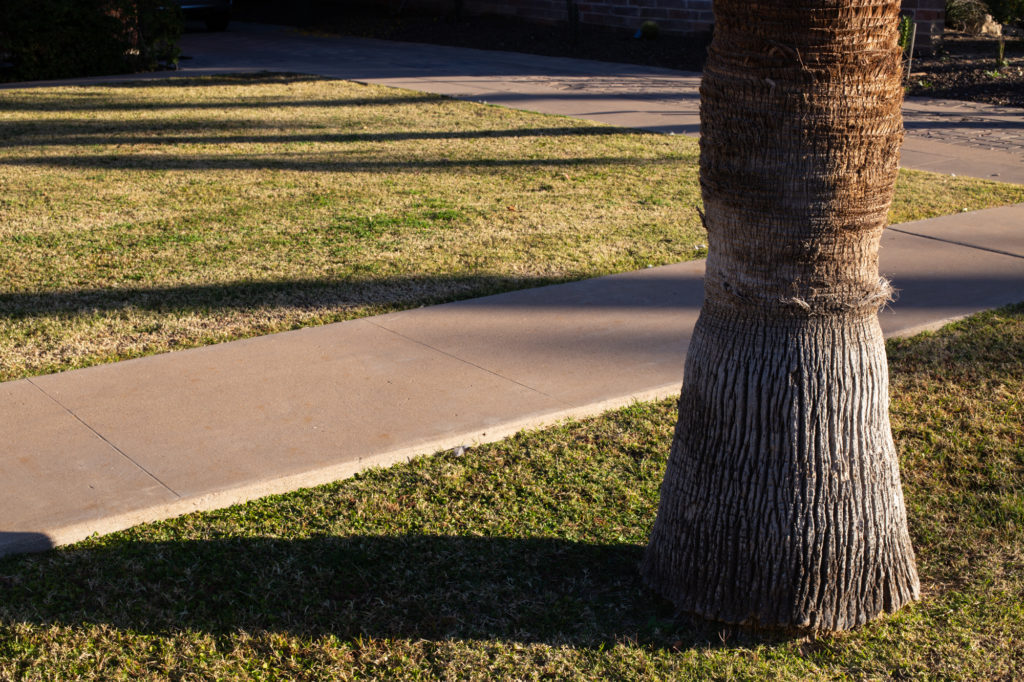
Palm trees thrive in Arizona's climate, but they don't provide much shade. They also grow straight upward, making it nearly impossible to prune them when they approach power lines, according to APS employee Travis Zelinskas. (Photo by Molly Duerig)

Trees planted close to power lines may need to be pruned to prevent power outages and other issues, depending on how close they grow to the utility line and what kind of utility line it is. (Photo by Molly Duerig)